Religious source content
Quran text, translations, tafsir, and audio come from attributed external datasets. My Quran Reader does not claim ownership of them.
Trust through clarity
My Quran Reader is a reading tool, not a publisher of original religious scholarship. This page explains where religious content comes from, how product guidance is prepared, and how to report a concern.
Last reviewed: 15 July 2026
Our principles
Each kind of content has a different purpose and should be understood differently.
Quran text, translations, tafsir, and audio come from attributed external datasets. My Quran Reader does not claim ownership of them.
Feature pages and help content explain the app’s current behaviour and should be updated when that behaviour changes.
User-created notes are personal reading data, not tafsir or editorial content supplied by the app.
Content attribution
Attribution is also available inside My Quran Reader under Settings → Sources & Attribution.
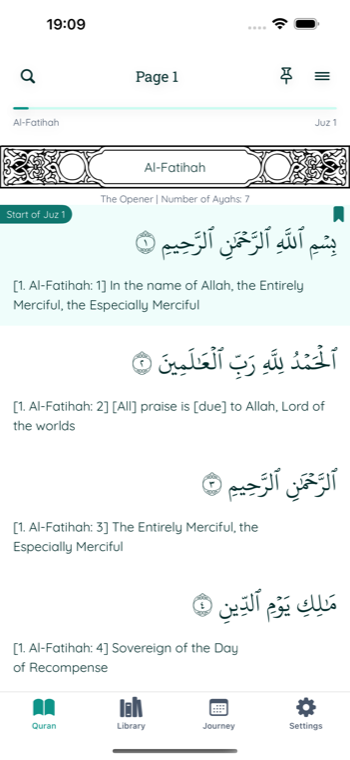
Quran text, translation datasets, and recitation URLs are sourced from Quran.com datasets and the Ministry of Religious Affairs of Indonesia (Kemenag).
The app keeps each tafsir source identifiable and separately selectable.
Availability in the app does not transfer ownership. My Quran Reader presents the attributed data for in-app reading and does not claim authorship of the religious texts.
Website editorial process
Pages are designed to answer a practical question about reading, listening, reflection, offline access, or the app’s operation.
Feature descriptions are compared with the current app behaviour, settings, and bundled content before release.
General habit guidance is not presented as a ruling. Interpretation and religious-practice questions are directed to qualified scholars or teachers.
Material product or source changes should update the relevant page, metadata, and review date together.
AI assistance
AI tools may assist with first drafts, translation structure, metadata, or visual concepts for the marketing website. They are not used to invent Quran verses, translations, or tafsir. Product claims are checked against the current implementation and attributed source information before release.
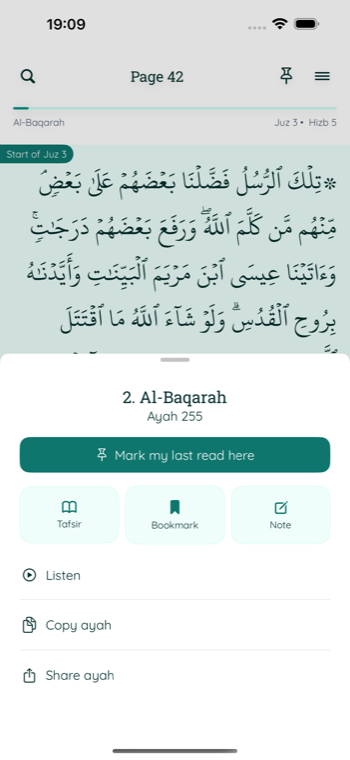
When an editorial image is generated, it avoids synthetic Arabic text, Quran verses, or a fabricated depiction of scripture. Real app screenshots are used when representing product behaviour.
Corrections
Email [email protected] or use the issue form on the Support page.
For content reports, include the surah, ayah, language, source name, observed text, expected correction, and a reliable reference when possible. For product guidance, include the page URL, app version, and the behaviour you observed.
A report is reviewed against the attributed dataset or current app implementation before a change is made.
Read with context